

What Hormones Cause Melasma? Estrogen, Progesterone & Cortisol Explained
Hormonal changes can lead to melasma, increasing melanin production and worsening dark facial patches significantly.
Melasma is one of the most common forms of facial hyperpigmentation, and for many people, hormones play a major role in why it develops and why it keeps coming back.
If you have noticed dark patches on your cheeks, forehead, nose, or upper lip during pregnancy, while taking birth control, or during times of high stress, hormones may be the underlying trigger.
At Serene Skin Health, we believe understanding the root cause of melasma is the first step toward clearer, healthier skin.
Which Hormones Cause Melasma?
Several hormones are closely linked to melasma and can stimulate pigment-producing cells in the skin.
The main hormones that may trigger melasma include:
- estrogen
- progesterone
- cortisol
- melanocyte-stimulating hormone (MSH)
Melanocyte-stimulating hormone (MSH) directly signals pigment-producing cells to create more melanin, which can make melasma patches appear darker and more persistent.
These hormones can increase melanin production, leading to dark brown or gray-brown patches on the face.
For a full overview of the condition, learn more about what melasma is and what causes it by linking this section to your main pillar page:
What Is Melasma on the Face: Causes, Triggers, and Best Treatments
How Estrogen Triggers Melasma
Estrogen is one of the most common hormonal triggers behind melasma.
When estrogen levels rise, it can stimulate melanocytes, the cells responsible for producing pigment.
This is why melasma often worsens during:
- pregnancy
- birth control use
- hormone replacement therapy
- perimenopause
This type of melasma is often called hormonal melasma or pregnancy melasma.
Many women first notice dark patches appearing during pregnancy, commonly known as the mask of pregnancy.
The Role of Progesterone
Progesterone often works alongside estrogen in triggering melasma.
This is why combination birth control pills may worsen pigmentation.
Progesterone fluctuations can also contribute to stubborn discoloration during menstrual cycle changes or fertility treatments.
If you suspect your birth control may be contributing to dark spots, this is an important area to discuss with your healthcare provider.
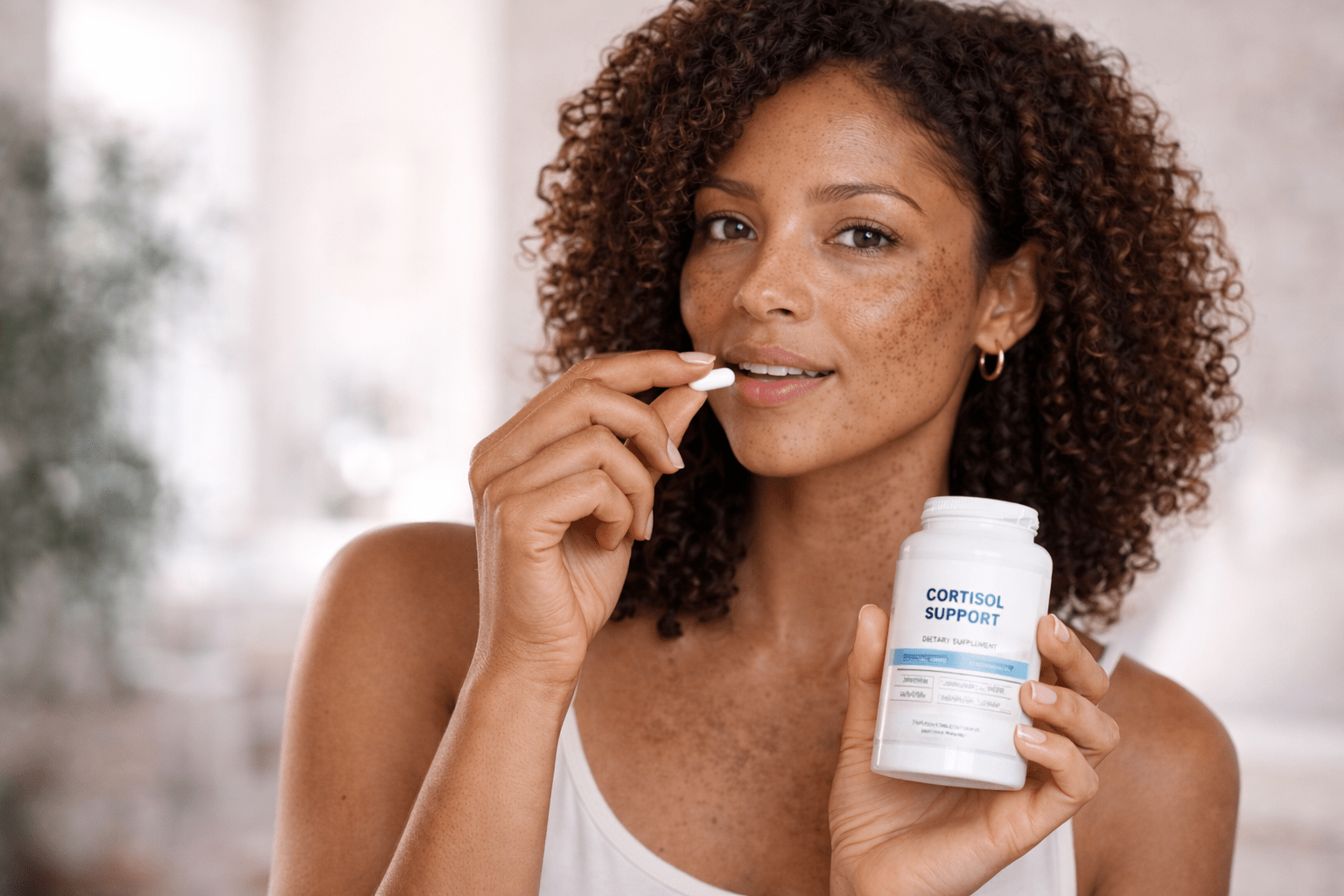
Can Cortisol Make Melasma Worse?
Yes — elevated cortisol may worsen melasma.
Cortisol is known as the body’s stress hormone.
When stress levels remain high over time, cortisol may increase inflammation, disrupt hormone balance, and worsen pigmentation.
This is why many people notice flare-ups during emotionally stressful periods or poor sleep cycles.
How High Cortisol Levels May Worsen Melasma
Pregnancy Hormones and Melasma
Pregnancy is one of the most common times melasma appears.
This happens because estrogen and progesterone levels rise significantly during pregnancy.
Combined with sun exposure, these hormonal shifts often lead to symmetrical brown patches on the cheeks, forehead, and upper lip.
In many cases, melasma may lighten after pregnancy, though it often requires maintenance skincare and strict sunscreen use.
Birth Control and Hormonal Dark Spots
Birth control pills are a common trigger for melasma.
This is especially true for estrogen-containing contraceptives.
Some patients notice their melasma improves after changing or discontinuing hormonal contraception, though this should always be discussed with a medical provider.
Menopause and Melasma
Hormonal changes during perimenopause and menopause may also worsen pigmentation.
As estrogen and progesterone fluctuate, the skin may become more reactive to UV light, heat, and inflammation.
This can make existing melasma more stubborn.
How to Treat Hormonal Melasma
The best approach is to treat both the external skin symptoms and support internal triggers.
A good routine may include:
- vitamin C
- tranexamic acid
- niacinamide
- tretinoin
- mineral sunscreen
- stress management
- sleep support
Frequently Asked Questions About Hormones and Melasma
Does estrogen cause melasma?
Yes. Elevated estrogen is one of the most common hormonal triggers.
Can stress make melasma worse?
Yes. Elevated cortisol and inflammation may worsen pigmentation.
Does melasma fade after pregnancy?
In some cases it improves after hormones stabilize, but maintenance skincare is often still needed.
Can menopause cause melasma?
Yes. Hormonal shifts during menopause may trigger flare-ups.
Continue Your Melasma Journey
Understanding your hormonal triggers is one of the most important steps in managing melasma long term.
For a complete skincare routine, ingredient guide, and lifestyle support tips, be sure to explore our main melasma education page and related treatment articles.
For even more expert guidance, download our melasma ebook and learn how to build the best routine for hormonal pigmentation.
The Complete Melasma Care Guide Ebook