

Can High Cortisol Levels Affect Melasma?
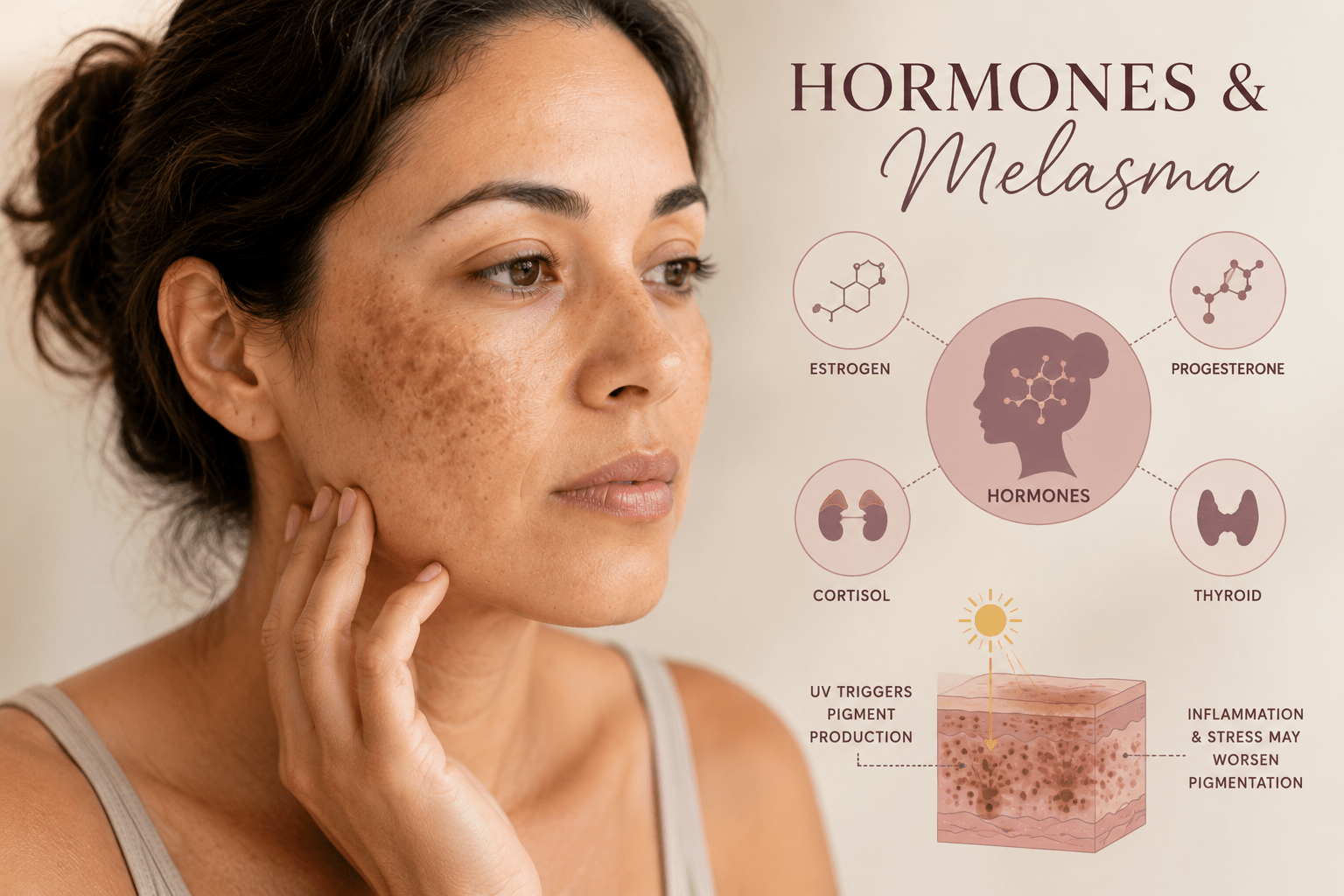
High cortisol levels and melasma may be connected through stress, inflammation, and fluctuating hormonal changes.
Many people notice that their melasma becomes darker during stressful periods. While stress alone does not directly cause melasma, it may contribute to hormonal changes and inflammation that can make existing pigmentation more noticeable.
A healthy lifestyle and consistent skincare routine cannot cure melasma, but they may help support overall skin health and complement a complete treatment plan.
Understanding what causes melasma is an important first step toward managing facial pigmentation.
What Is Cortisol?
Cortisol is a hormone produced by the adrenal glands that helps regulate the body’s response to stress. It plays an important role in metabolism, immune function, blood sugar regulation, and inflammation.
Short-term increases in cortisol are a normal part of life. However, long-term stress may lead to prolonged elevations in cortisol levels that can affect overall health and the skin.
Can Stress Make Melasma Worse?
Melasma develops when the skin produces excess melanin, the pigment responsible for skin color. Several factors may contribute to this process, including:
- Sun exposure
- Visible light
- Hormonal changes
- Pregnancy
- Genetics
- Heat
- Skin inflammation
- Chronic stress
Although more research is needed, some experts believe that stress-related inflammation and hormonal fluctuations may play a role in worsening melasma.
Many people also notice that heat and melasma flare-ups often occur together during stressful periods and warm weather.
How High Cortisol May Affect the Skin
Long-term stress may contribute to several skin concerns, including:
Increased Inflammation
Inflammation can stimulate pigment-producing cells and may worsen existing melasma.
Weakened Skin Barrier
Stress may reduce the skin’s ability to retain moisture, making it more sensitive and reactive.
Slower Skin Recovery
The skin may take longer to heal from irritation or inflammation during periods of chronic stress.
Hormonal Changes
Cortisol interacts with other hormones that may influence pigmentation and skin health.
Lifestyle Habits That May Support Healthy Skin
Although stress management is not a cure for melasma, healthy daily habits may help support overall wellness.
Prioritize Sleep
Adequate sleep supports the body’s natural repair processes.
Manage Stress
Activities such as meditation, walking, gentle exercise, and yoga may help reduce stress levels.
Eat a Balanced Diet
A diet rich in antioxidants, fruits, vegetables, and healthy fats may help support healthy skin.
Stay Hydrated
Proper hydration supports the skin barrier and overall skin function.
Daily Skincare for Stress-Related Melasma
Many people benefit from a simple skincare routine that includes:
- Gentle cleanser
- Hydrating toner
- Antioxidant serum
- Melasma treatment serum
- Moisturizer
- Broad-spectrum zinc oxide sunscreen
Protecting the skin from sun exposure remains one of the most important steps in managing melasma.
Following a daily melasma skincare routine may help support healthier-looking skin and reduce unnecessary irritation.
Supplements and Antioxidants
Some people discuss supplements and antioxidant-rich products with their healthcare provider as part of a healthy lifestyle. While supplements cannot cure melasma, they may complement an overall wellness plan.
Always speak with your healthcare provider before starting new supplements.
Frequently Asked Questions
Can stress cause melasma?
Stress alone is not considered a direct cause of melasma, but it may contribute to inflammation and hormonal changes that can worsen existing pigmentation.
Can lowering cortisol improve melasma?
Managing stress may support overall skin health, but melasma usually requires a combination of skincare, sun protection, and professional treatment when needed.
Is sunscreen important if stress affects melasma?
Yes. Daily sunscreen remains one of the most effective ways to help prevent melasma from becoming darker.
Choosing the best sunscreen for melasma is an important part of long-term skin protection.
Can healthy habits help melasma?
Healthy lifestyle habits may support overall skin wellness and complement a complete melasma treatment plan.
Final Thoughts
High cortisol levels and melasma may be connected through the effects of stress and inflammation on the skin. While stress management alone cannot eliminate pigmentation, combining healthy habits with daily sunscreen and gentle skincare may help improve overall skin health.
A long-term approach that protects the skin barrier and reduces unnecessary inflammation often provides the best results.
Many people combine healthy habits with effective melasma treatment options to support long-term improvement. (Internal Link: Effective Melasma Treatment Options)
Looking for Skincare That Supports Melasma-Prone Skin?
If you’re building a skincare routine for melasma, choosing gentle products with antioxidant and barrier-supporting ingredients may help maintain healthier-looking skin. While no single product can cure melasma, a complete skincare routine can complement professional treatment.
You can check the latest price and read customer reviews by visiting Amazon below.
👉 Shop Melasma Skincare Products on Amazon