

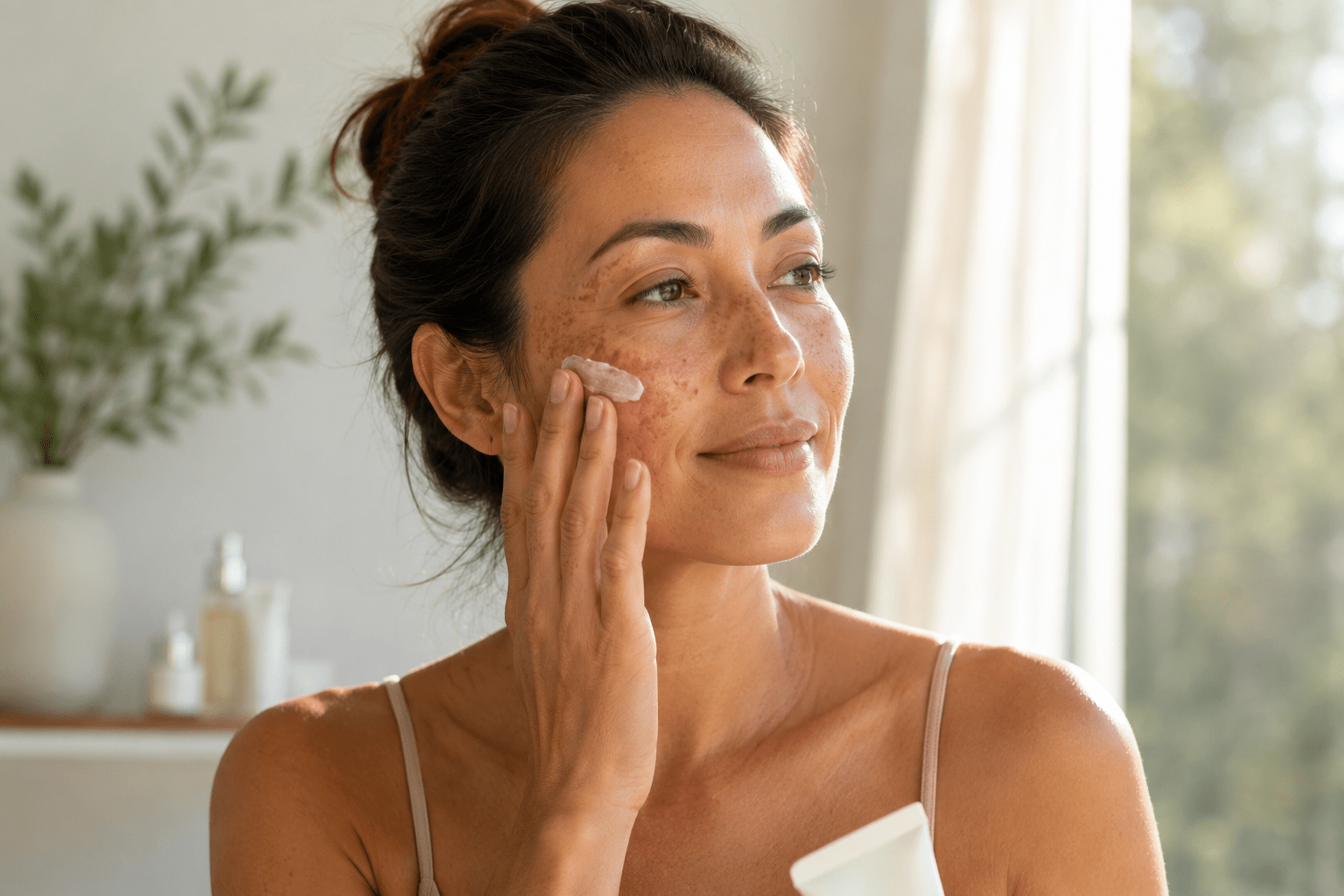
Effective Melasma Treatment Options: What Really Works?
Effective melasma treatment requires daily sun protection, specific skincare, and professional care for pigmentation reduction.
Melasma is a common skin condition that causes patches of darker pigmentation, most often on the cheeks, forehead, upper lip, and nose. Although melasma is not dangerous or contagious, it can affect self-confidence and make many people feel dependent on makeup to cover uneven skin tone.
Melasma is often triggered by sun exposure, hormonal changes, genetics, heat, and skin inflammation. Understanding what causes melasma is an important first step toward choosing the right treatment plan.
The good news is that several treatment options may help improve the appearance of melasma. Because every person’s skin is different, working with a qualified dermatologist or skincare professional can help you choose the safest and most effective approach.
Topical Treatments for Melasma
Topical skincare products are often the first step in a melasma treatment plan. These products work by reducing excess pigment production and encouraging healthy skin cell turnover.
Hydroquinone
Hydroquinone is one of the most widely studied ingredients for treating melasma and other forms of hyperpigmentation. It works by reducing the production of melanin, the natural pigment that gives skin its color.
Many dermatologists consider hydroquinone a gold standard treatment for melasma. However, it should be used under professional supervision because prolonged or improper use may increase the risk of skin irritation or unwanted pigmentation changes.
In many cases, hydroquinone is used for a limited period before transitioning to a maintenance routine with gentler brightening ingredients.
Tretinoin Cream
Tretinoin is a prescription retinoid derived from vitamin A. It helps increase skin cell turnover, improve skin texture, and gradually fade areas of excess pigmentation.
Results often develop slowly and may take several weeks or months to become noticeable. Because tretinoin can cause dryness and irritation, pairing it with a gentle moisturizer and daily sunscreen is important.
Some individuals with sensitive skin may need to start with a lower frequency of application to avoid inflammation, which can sometimes worsen pigmentation.
Chemical Peels as an Effective Melasma Treatment
Chemical peels may help improve melasma by removing damaged surface skin cells and promoting healthier skin renewal. Superficial peels that use mild acids are often preferred because aggressive treatments can trigger inflammation and potentially make melasma worse.
People with medium to darker skin tones should seek treatment from experienced professionals who understand pigmentation disorders and can recommend the safest approach.
Facials and Supportive Skin Care
Hydrating facials and antioxidant-rich treatments may help support overall skin health while calming irritation and dryness. Although facials alone are not considered a cure for melasma, they can complement a professional treatment plan by improving the skin barrier and hydration levels.
Gentle skincare is especially important because excessive scrubbing or harsh treatments may increase inflammation and contribute to recurring pigmentation.
Laser Therapy for Melasma
Laser treatments may be an option for some individuals with persistent melasma. Certain laser technologies target excess pigment while encouraging skin renewal. However, not every laser is appropriate for every skin type.
Multiple treatment sessions are often necessary, and careful patient selection is important. Individuals with darker skin tones should consult a physician experienced in treating pigmentation disorders to reduce the risk of post-inflammatory hyperpigmentation.
Daily Sunscreen Is an Effective Melasma Treatment
Sun protection is one of the most important parts of any melasma treatment plan. Ultraviolet (UVA and UVB) rays and visible light exposure can trigger or worsen pigmentation.
Many skincare professionals recommend using a broad-spectrum sunscreen with SPF 30 or higher every day, even when it is cloudy. Mineral sunscreens containing zinc oxide are often recommended because they provide broad-spectrum protection and may also help defend against visible light exposure.
Reapplying sunscreen throughout the day and wearing hats or protective clothing can further reduce the risk of melasma flare-ups.
Healthy Lifestyle Habits
A healthy lifestyle can support overall skin health and complement professional melasma treatments. Eating a balanced diet, managing stress, getting adequate sleep, and maintaining good skincare habits may help reduce inflammation and support the skin’s natural healing process.
Some people also discuss supplements and vitamins with their healthcare provider as part of a comprehensive wellness plan.
When to See a Dermatologist
If your melasma suddenly changes, spreads rapidly, or does not improve with over-the-counter skincare, consult a qualified dermatologist. A professional evaluation can help identify underlying triggers and determine the safest treatment plan for your skin type.
Frequently Asked Questions
What causes melasma?
Melasma is commonly associated with sun exposure, hormonal changes, genetics, heat, and skin inflammation.
What is the best sunscreen for melasma?
A broad-spectrum mineral sunscreen containing zinc oxide with SPF 30 or higher is often recommended for daily protection.
What are the best toners for melasma?
Gentle, hydrating toners that support the skin barrier and avoid harsh alcohols are generally preferred for melasma-prone skin.
Is laser treatment safe for melasma?
Laser therapy may help some individuals, but treatment should always be performed by an experienced physician because certain lasers can worsen pigmentation.
Final Thoughts
Melasma can be challenging to manage, but many people see improvement with a combination of consistent sun protection, appropriate skincare products, and professional treatments. The best results often come from a personalized approach that addresses your unique skin type and triggers.
If you are struggling with persistent pigmentation, consult a qualified dermatologist or skincare professional to develop a treatment plan that is safe and appropriate for your skin.
At Serene Skin Health, we focus on educational skincare guidance and evidence-based approaches to managing melasma and hyperpigmentation.
According to the American Academy of Dermatology, melasma is a common pigmentation disorder.