


Brown Spots on Skin: Causes, Types, and How to Treat Them
Noticing brown spots on your skin? Understanding causes helps improve uneven tone safely over time.
What Causes Brown Spots on Skin?
Brown spots on the skin—often called hyperpigmentation—develop when melanin (the pigment that gives skin its color) is produced in excess or unevenly distributed.
This can be triggered by:
- Sun exposure
- Hormonal changes
- Inflammation (such as acne or irritation)
- Heat and environmental stress
- Certain medications
While brown spots may look similar, the cause behind them can be very different—and that matters when it comes to treatment.
Types of Brown Spots on the Face
Not all brown spots are the same. Identifying the type helps guide the right approach.
Melasma
Melasma appears as symmetrical patches, often on the cheeks, forehead, or upper lip. It is strongly influenced by hormones, sun exposure, and heat.
If your pigmentation looks patchy and evenly mirrored on both sides of your face, it may be melasma. Learn more in our guide on what melasma is and how it develops on the face.
Sun Spots (Solar Lentigines)
These are small, well-defined spots caused by long-term sun exposure. They are more common with age and typically appear on areas frequently exposed to the sun.
Post-Inflammatory Hyperpigmentation (PIH)
These spots develop after skin inflammation, such as acne, irritation, or injury. They often fade over time but can linger without proper care.
Is It Melasma or Sun Damage?
This is one of the most common questions—and one of the most important.
Melasma:
- Appears in larger, blended patches
- Often symmetrical
- Triggered by hormones and heat
Sun spots:
- Smaller and more defined
- Caused mainly by UV exposure
- Not typically symmetrical
Understanding this difference is key, because melasma requires a more gentle, consistent approach.
What Treatments Actually Work for Brown Spots?
There is no one-size-fits-all solution, but certain ingredients and habits can help improve the appearance of brown spots over time.
Supportive Skincare Ingredients
- Niacinamide to help improve uneven tone
- Vitamin C to support brightness and antioxidant protection
- Tranexamic acid to help target stubborn discoloration
- Gentle exfoliants to encourage skin renewal
Consistency is more important than intensity. Over-treating the skin can actually make pigmentation worse, especially with melasma.
What Makes Brown Spots Worse?
Many people unknowingly make their pigmentation worse with everyday habits.
Common triggers include:
- Sun exposure without protection
- Heat (including hot environments and steam)
- Harsh skincare or over-exfoliation
- Inconsistent routines
For melasma-prone skin, keeping the skin calm and protected is essential.
Daily Skincare for Brown Spots
A simple, supportive routine can make a significant difference over time.
Focus on:
- A gentle cleanser that does not strip the skin
- A toner or treatment that supports balance and hydration
- Targeted serums with proven ingredients
- Daily sunscreen (this is non-negotiable)
If you’re building your routine, explore our guides on choosing the right cleanser for dark spots and the best toner for melasma.
For a complete step-by-step approach, see our full melasma skincare routine.
Why Sun Protection Matters Most
No treatment will be effective if the skin is not protected from UV exposure.
Even small amounts of sun exposure can deepen existing pigmentation and trigger new spots. Daily use of a broad-spectrum sunscreen is one of the most important steps you can take.
Improving skin tone takes time, consistency, and the right routine—not harsh treatments or quick fixes.
Your Next Step
If you’re feeling unsure about what actually works for melasma or persistent brown spots, having a clear plan can make all the difference.
✨ Explore The Complete Melasma Care Guide by Serene Skin Health to learn what to use, what to avoid, and how to support your skin long term.
Explore Skincare for Brown Spots
You can browse gentle, melasma-friendly skincare options here:
👉 SkinScience Melasma Skincare
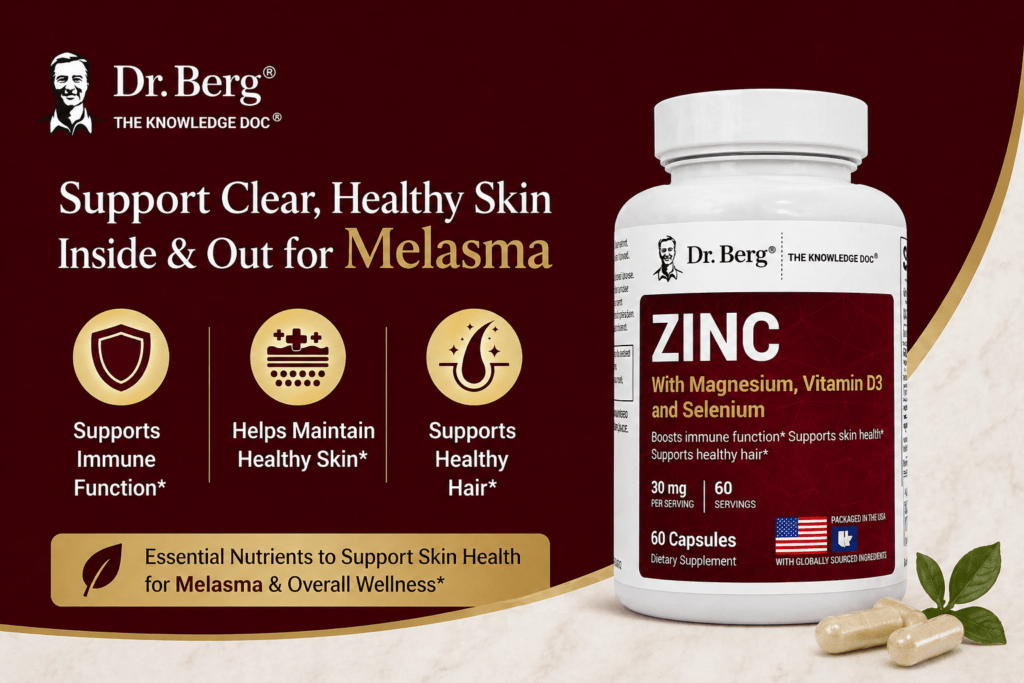
Supporting your skin from within can make a difference over time. Supplements like zinc, along with key nutrients such as vitamin D and selenium, may help support overall skin health when used consistently.
👉 Explore Dr. Berg’s Healthy Skin Supplements