

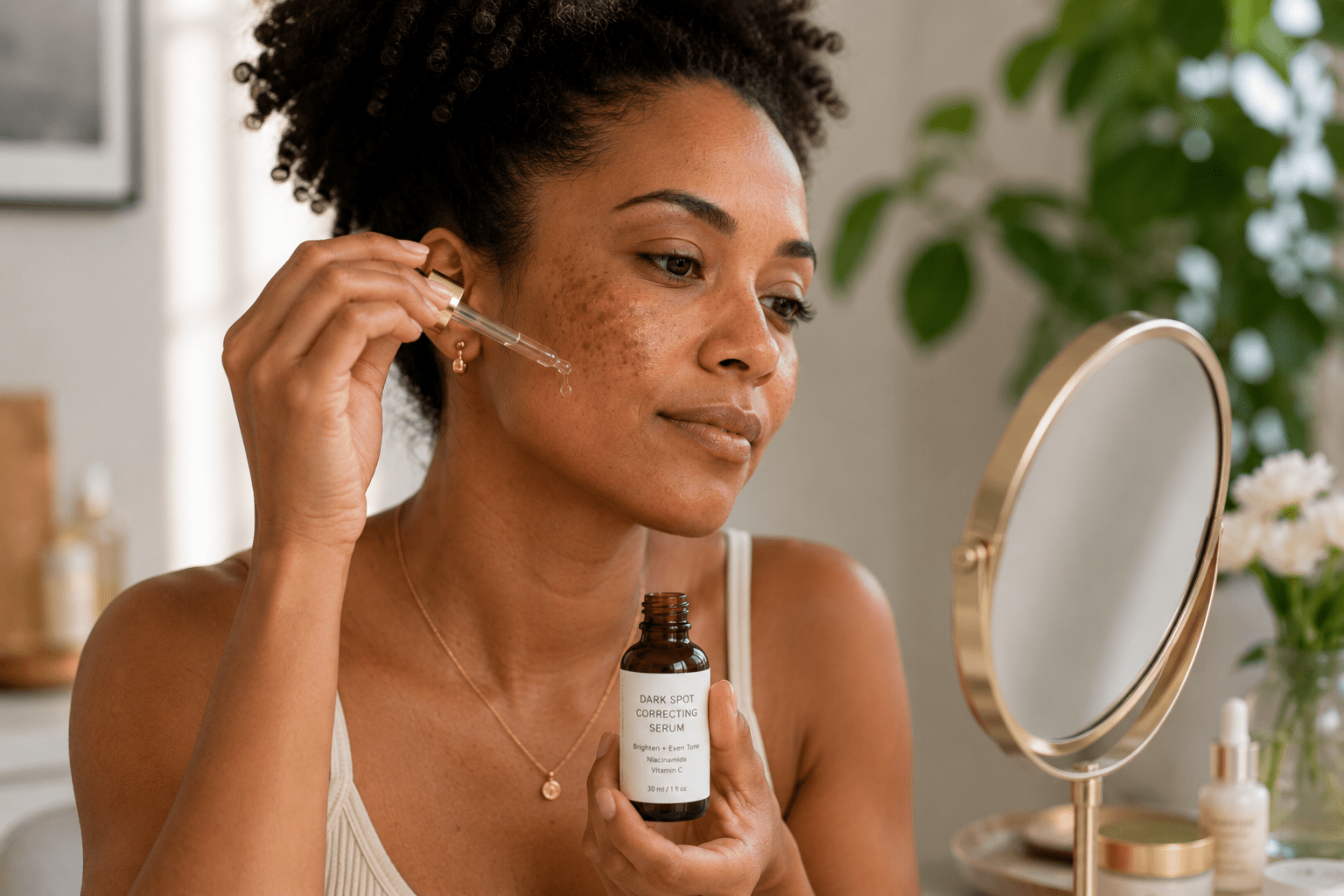
Best Dark Spot Remover for Face: How to Treat Melasma and Hyperpigmentation
A dark spot remover for the face can help reduce pigmentation and enhance skin brightness.
A dark spot remover for the face cannot cure melasma, but it may help reduce visible pigmentation and support a complete skincare routine.
Melasma is a common skin condition that causes patches of brown or grayish discoloration, most often on the cheeks, forehead, nose, temples, and upper lip. While melasma can be stubborn, many people see improvement with the right skincare routine and consistent sun protection.
A dark spot remover for the face cannot cure melasma, but it may help reduce the appearance of discoloration and complement a complete treatment plan.
What Causes Melasma and Dark Spots?
Melasma develops when the skin produces excess melanin, the natural pigment responsible for skin color. Several factors may contribute to this process, including:
- Sun exposure
- Visible light exposure
- Hormonal changes
- Pregnancy
- Birth control medications
- Genetics
- Heat
- Stress
- Skin inflammation or injury
Women are affected much more often than men, and hormonal fluctuations are believed to play an important role in many cases.
Can Dark Spot Removers Help Melasma?
Dark spot removers may help improve the appearance of melasma and other forms of hyperpigmentation by supporting healthy skin turnover and reducing excess pigment production.
Although dermal melasma cannot currently be cured, many people achieve noticeable improvement through consistent skincare and professional treatments.
Dark spots caused by acne, irritation, or skin injury are often easier to treat than deeper melasma pigmentation.
Ingredients Commonly Found in Dark Spot Removers
Many skincare products designed for hyperpigmentation contain ingredients that may help brighten uneven skin tone.
Azelaic Acid
Azelaic acid helps reduce inflammation and may improve the appearance of pigmentation.
Kojic Acid
Kojic acid is commonly used to help brighten dark spots and support a more even complexion.
Vitamin C
Vitamin C is an antioxidant that helps protect the skin from environmental damage while promoting a brighter appearance.
Niacinamide
Niacinamide supports the skin barrier and may help reduce uneven pigmentation and redness.
If you are pregnant or planning pregnancy, speak with your healthcare provider before using skin-lightening products, as some ingredients may not be recommended.
A Daily Skincare Routine for Dark Spots and Melasma
Many people benefit from a simple and consistent skincare routine that includes:
- Gentle cleanser
- Hydrating toner
- Antioxidant serum
- Melasma treatment serum
- Moisturizer
- Broad-spectrum zinc oxide sunscreen
- Daily vitamins or supplements recommended by your healthcare provider
Gentle monthly skincare treatments may also help maintain healthy-looking skin.
Professional Treatments for Melasma
Some individuals choose professional treatments to complement their at-home routine.
Mild Chemical Peels
Superficial chemical peels use gentle acids to remove the outer layer of skin containing excess pigment. Because melasma can return, maintenance treatments may be necessary.
Laser Treatments
Certain laser treatments may help reduce pigmentation, but results vary and treatment should be performed by experienced professionals. Individuals with darker skin tones should use caution because some lasers can worsen pigmentation.
Facials
Gentle facials may improve skin hydration and support the skin barrier without aggressive exfoliation.
Daily Sunscreen Is Essential
Sun exposure and visible light can worsen melasma and dark spots. Daily use of a broad-spectrum mineral sunscreen containing zinc oxide and SPF 30 or higher is one of the most important parts of any melasma treatment plan.
Protective clothing, hats, and avoiding excessive sun exposure may also help reduce flare-ups.
Frequently Asked Questions
What is the best dark spot remover for the face?
The best product depends on your skin type and the cause of your pigmentation. Many formulas contain ingredients such as azelaic acid, vitamin C, kojic acid, or niacinamide.
Can dark spot removers cure melasma?
No. Dark spot removers cannot cure melasma, but they may help reduce the appearance of pigmentation when used consistently.
Can pregnancy cause melasma?
Yes. Hormonal changes during pregnancy are a common trigger for melasma.
Is sunscreen necessary when treating dark spots?
Yes. Daily sunscreen is one of the most effective ways to help prevent melasma and dark spots from becoming darker.
Final Thoughts
Melasma and dark spots can be frustrating, but many people improve their skin with a combination of gentle skincare, daily sunscreen, and professional treatments when needed.
A consistent routine that supports the skin barrier and protects against sun exposure often provides the best long-term results.
Looking for a Dark Spot Remover?
If you’re searching for a dark spot remover for the face, choosing products with gentle, well-studied ingredients may help support a brighter, more even-looking complexion. While no single product can cure melasma, a consistent skincare routine can complement a complete treatment plan.
You can check the latest price and read customer reviews by visiting Amazon below.
👉 Shop Dark Spot Removers on Amazon
How to fade dark spots in darker skin tones