
ZO Glycolic Toner Pads For Melasma: A Clinical Approach To Pigment Correction
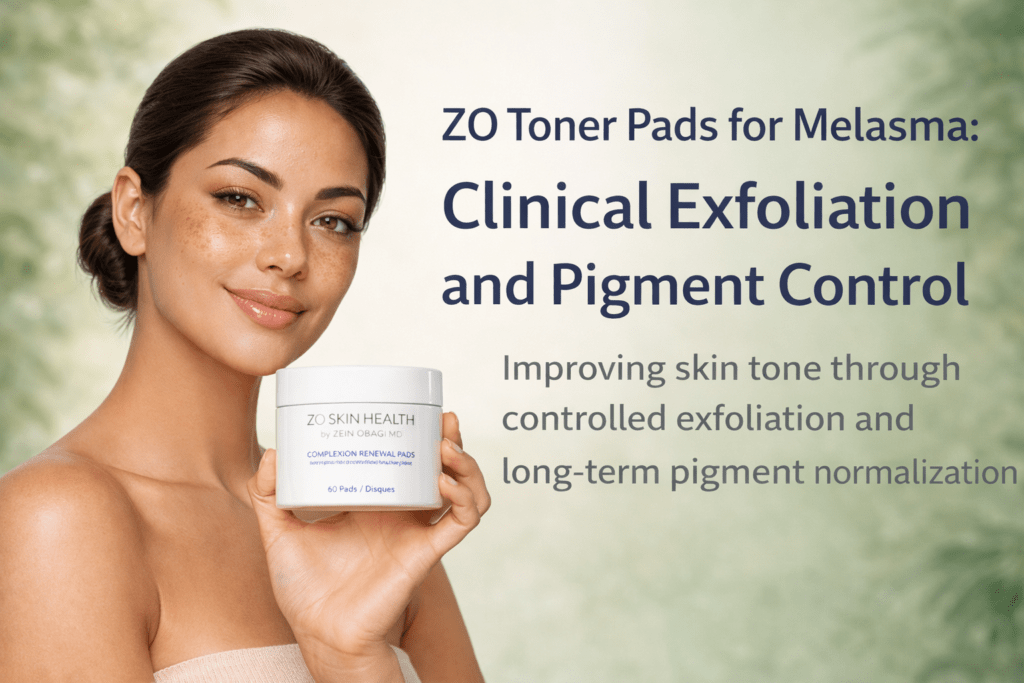
ZO toner pads for melasma support pigment management through controlled exfoliation and long-term skin normalization.
Within ZO® Skin Health clinical protocols, chemical exfoliation is considered a foundational step to help correct abnormal pigmentation, improve skin function, and enhance treatment outcomes.
ZO Toner Pads for Melasma: Exfoliation and Pigment Control
Melasma pigment accumulates unevenly within the epidermis and can become trapped when skin cell turnover slows. Without regular exfoliation, excess melanin remains concentrated in the upper layers of the skin, leading to darker and more persistent patches.
ZO®-formulated glycolic toner pads are designed to support healthy exfoliation while maintaining skin barrier integrity—an important factor when treating pigment-prone skin.
The Role of Glycolic Acid in ZO® Clinical Protocols
Glycolic acid is a cornerstone ingredient in ZO® medical-grade skincare due to its low molecular weight and ability to penetrate the skin effectively. In clinical skincare research, glycolic acid has been shown to accelerate epidermal turnover and interfere with melanin distribution by disrupting melanin transfer to keratinocytes.
Through consistent exfoliation, glycolic acid helps encourage pigmented cells to rise toward the surface, where they can be gradually shed—supporting a more even-looking skin tone over time.
Daily Use and Superficial Melasma Improvement
When used as directed, glycolic toner pads may help improve melasma that resides in the superficial layers of the skin. Daily exfoliation supports smoother texture, enhanced brightness, and improved responsiveness to additional pigment-correcting treatments used within a comprehensive melasma routine.
Consistency is critical, as melasma responds best to gradual correction rather than aggressive treatment.
Skin Barrier Support and Inflammation Control
ZO® toner pads are formulated to balance exfoliation with skin tolerance. In addition to acids, these pads include soothing agents, minerals, and antioxidants designed to calm visible inflammation—an essential consideration, as inflammation is a known trigger for melasma flare-ups and pigment rebound.
Maintaining barrier health helps reduce irritation-related pigmentation while supporting long-term skin normalization.
Enhancing Results With a Comprehensive Melasma Routine
Exfoliation alone does not eliminate melasma, but it significantly enhances the effectiveness of brightening agents, prescription treatments, and professional procedures. By clearing excess dead skin cells, toner pads allow corrective ingredients to penetrate more evenly and perform more efficiently.
This layered approach reflects ZO®’s philosophy of restoring healthy skin function rather than masking pigment.
Additional Skin Benefits Beyond Melasma
In addition to pigment support, glycolic toner pads may help regulate surface oil, refine the appearance of pores, and reduce congestion. Their lightly textured surface provides gentle mechanical exfoliation while remaining suitable for daily use when introduced appropriately.
Key Benefits for Melasma-Prone Skin
- Supports controlled chemical and surface exfoliation
- Helps normalize epidermal turnover and pigment distribution
- Calms inflammation that can contribute to melasma persistence
- Provides antioxidant protection against environmental stressors
- Improves overall skin clarity, texture, and radiance
Where to Find ZO Glycolic Toner Pads
If you’re looking to incorporate medical-grade exfoliation into your melasma routine, ZO® glycolic toner pads are available through authorized retailers.
Some individuals choose to purchase ZO glycolic toner pads for melasma on Amazon for convenience, ensuring the product is authentic and sealed.
Final Clinical Perspective
Melasma requires a disciplined, science-backed approach that prioritizes consistency, inflammation control, and skin normalization. Glycolic toner pads, when used as part of a structured routine that includes sun protection and targeted pigment therapies, can support clearer, more even-toned skin over time. Healthy skin function—not aggressive treatment—remains the foundation of long-term melasma management.