

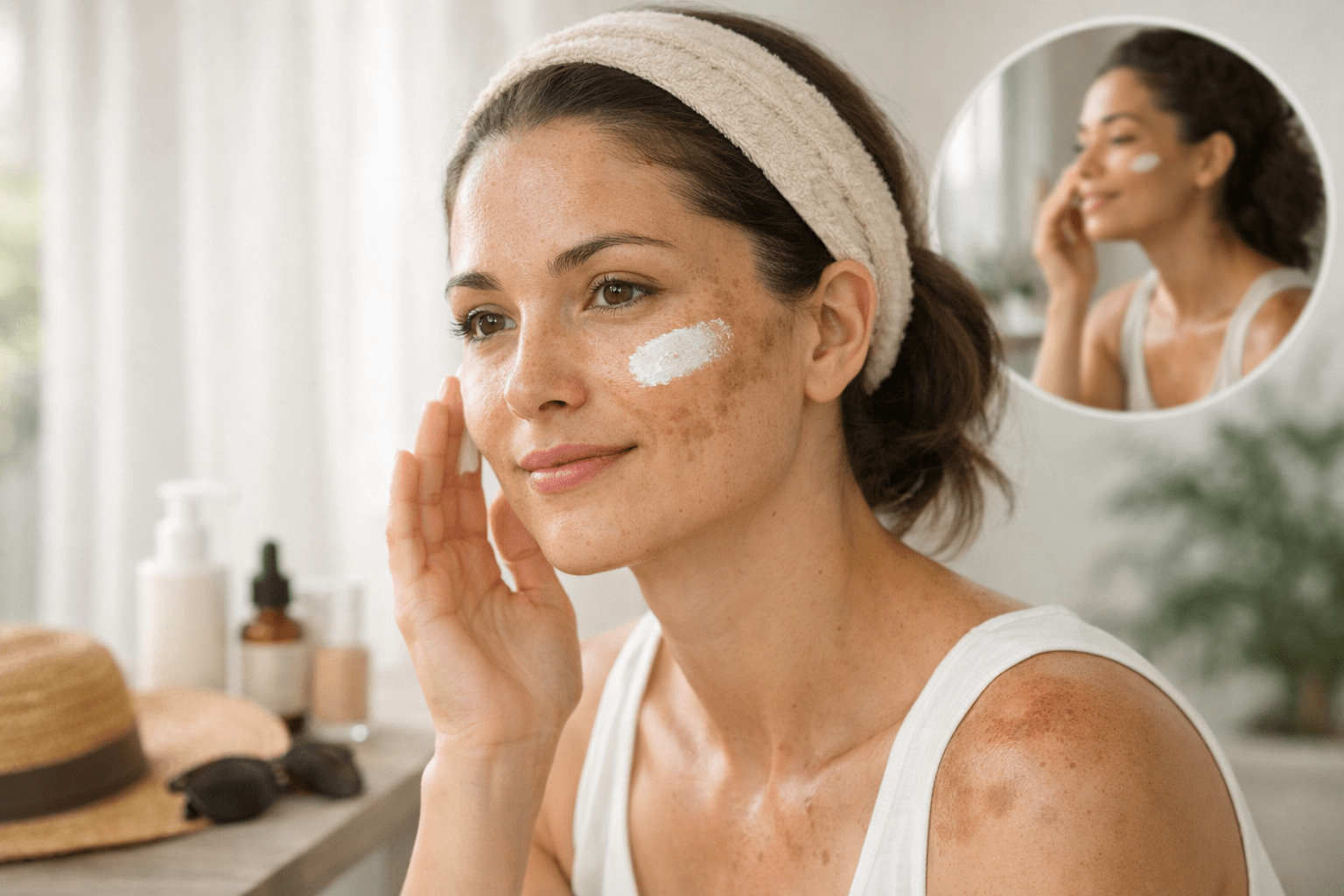
Tips For Managing Melasma: Daily Skincare, Sun Protection & Lifestyle Support
Tips for Managing Melasma
Melasma is a chronic form of hyperpigmentation that causes dark, uneven patches on the skin, most commonly on the face. While melasma can be stubborn and recurring, the right daily habits and skincare approach can help minimize flare-ups and support a more even-looking complexion over time.
Managing melasma is not about quick fixes — it’s about consistency, protection, and gentle care. The tips below focus on dermatologist-supported strategies that help reduce triggers and support long-term skin health.
1. Commit to Daily Sun Protection
Sun exposure is one of the most significant triggers for melasma. Even brief, unprotected exposure can cause pigmentation to darken or reappear.
Using a broad-spectrum mineral sunscreen every day is essential, regardless of weather or season. Mineral sunscreens containing zinc oxide or titanium dioxide are often preferred for melasma-prone skin because they physically block UV rays and tend to be less irritating.
In addition to sunscreen, physical protection plays a key role. Wearing hats, sunglasses, and seeking shade can dramatically reduce UV exposure throughout the day.
Recommended options include mineral sunscreens, tinted formulas that protect against visible light, and powder sunscreens that allow for easy reapplication over makeup.
2. Keep Your Skincare Routine Gentle and Consistent
Overly aggressive skincare can irritate the skin and worsen melasma. Harsh exfoliants, frequent product switching, or excessive active ingredients can disrupt the skin barrier and trigger inflammation.
A gentle, consistent routine supports the skin’s natural defenses and helps prevent unnecessary flare-ups.
Focus on:
- Mild, non-stripping cleansers
- Fragrance-free, barrier-supportive moisturizers
- Avoiding over-exfoliation
Using gentle, hydrating skincare products designed for sensitive or pigmentation-prone skin can help maintain balance and reduce irritation.
3. Choose Ingredients That Support Even Skin Tone
Certain skincare ingredients are commonly used to help improve the appearance of uneven skin tone over time. These ingredients work gradually and are most effective when used consistently and patiently.
Ingredients often included in melasma-focused routines include:
- Niacinamide, which supports the skin barrier and tone
- Azelaic acid, known for its calming and brightening properties
- Vitamin C, which provides antioxidant support
- Tranexamic acid, frequently used in pigmentation-focused formulas
When introducing new products, start slowly and patch test to reduce the risk of irritation.
Skincare formulations featuring these ingredients are often used as part of routines designed to support a brighter, more even-looking complexion.
4. Minimize Heat and Visible Light Exposure
Melasma isn’t triggered by sunlight alone. Heat and visible light — including blue light from screens — can also contribute to pigmentation flare-ups.
Strategies to reduce exposure include:
- Using tinted sunscreens that contain iron oxides
- Limiting excessive heat exposure, such as hot yoga or saunas
- Wearing wide-brim hats when outdoors
Protective tools and tinted sun care products can help shield the skin from environmental triggers beyond UV rays.
5. Support Skin Health From the Inside
Internal factors such as hormones, oxidative stress, and inflammation can influence melasma. While supplements are not a cure, some people choose to include nutritional support as part of a comprehensive skin wellness routine.
Commonly discussed options include:
- Antioxidants such as vitamin C
- Omega-3 fatty acids
- Oral sun-support supplements
Always consult a healthcare professional before adding supplements to your routine.
Some individuals choose to incorporate nutritional support as a complement to topical skincare and sun protection.
6. Be Patient and Set Realistic Expectations
Melasma management takes time. Visible improvement often requires weeks or months of consistent care, and maintenance is ongoing. Even with diligent routines, flare-ups can still occur due to sun exposure, hormonal changes, or stress.
Staying consistent with protection, gentle skincare, and lifestyle habits is key to long-term success.
7. When to Seek Professional Guidance
If melasma is persistent, worsening, or affecting your confidence, a dermatologist or a licensed skincare professional can help determine whether prescription treatments or in-office procedures are appropriate.
Professional guidance can be especially helpful for identifying triggers and creating a customized treatment plan.
Recommended Melasma Essentials
The following skincare and sun protection essentials are commonly used as part of melasma-focused routines. These categories are selected to support daily protection, gentle care, and long-term skin health.
☀️ Daily Sun Protection
Consistent sun protection is the foundation of melasma management.
- Mineral sunscreen (SPF 30–50) – supports daily broad-spectrum protection
- Tinted mineral sunscreen with iron oxides – helps protect against visible light
- Powder sunscreen – convenient for reapplication throughout the day
🧴 Gentle Skincare Basics
Maintaining a healthy skin barrier helps reduce irritation and flare-ups.
- Gentle hydrating facial cleanser – cleans without stripping
- Barrier-supporting moisturizer – helps maintain skin comfort and hydration
✨ Tone-Supporting Skincare Ingredients
These ingredients are commonly used to support a more even-looking complexion over time.
- Niacinamide serum – supports skin barrier and tone
- Azelaic acid cream or gel – helps calm and balance skin
- Vitamin C serum – provides antioxidant support
🧢 Additional Protection Tools
Physical protection can significantly reduce melasma triggers.
- Wide-brim sun hat – limits direct sun exposure
- UV-protective sunglasses – protects the delicate eye area
🌿 Internal Skin Support
Some individuals choose to support skin health from within as part of a comprehensive routine.
- Melasma supplements
- Omega-3 fatty acids
- Oral sun-support supplements
Always consult a healthcare professional before starting supplements.
While melasma can be challenging, a thoughtful and consistent approach can make a meaningful difference. Prioritizing sun protection, using gentle skincare, and supporting overall skin health are foundational steps in managing melasma effectively.