

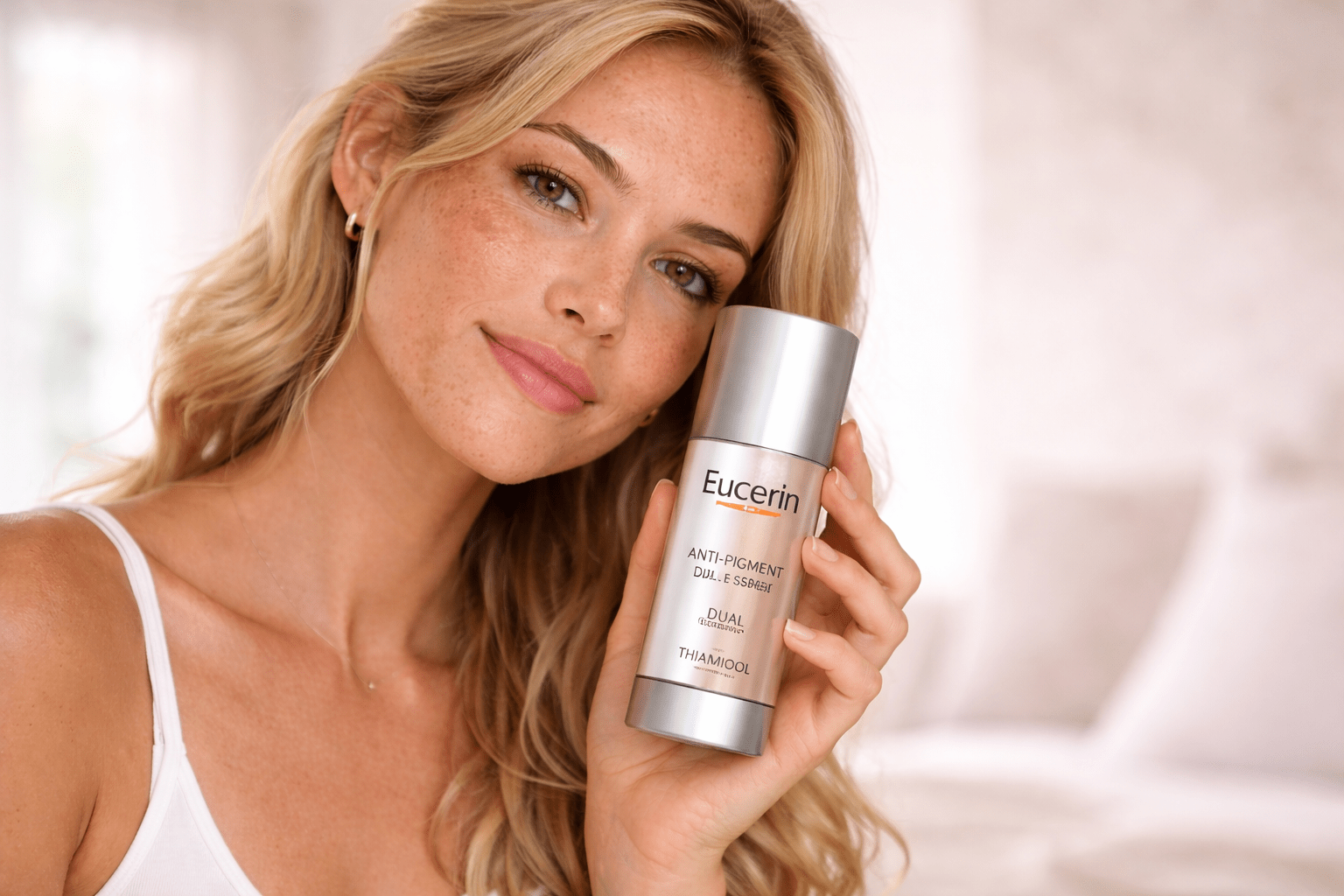
Thiamidol for Melasma: How This Advanced Ingredient Helps Reduce Dark Spots and Hyperpigmentation
Thiamidol is an advanced brightening ingredient that helps reduce melasma and hyperpigmentation safely and effectively.
Melasma is a common skin condition that causes dark patches on the face, especially on the cheeks, forehead, nose, and upper lip. Although melasma is harmless, it can be frustrating because it often returns or worsens with sun exposure, hormonal changes, or skin irritation.
In recent years, Thiamidol has become a popular ingredient in skincare because of its ability to help reduce hyperpigmentation and improve uneven skin tone.
At Serene Skin Health, we focus on scientifically supported ingredients that help fade melasma while keeping skin healthy and balanced.
What Is Thiamidol?
Thiamidol is a patented skin-brightening ingredient developed by dermatological researchers to help reduce dark spots and hyperpigmentation.
It works by targeting the enzyme tyrosinase, which is responsible for producing melanin in the skin.
Melanin gives skin its natural color, but when melanin production becomes excessive or uneven, it leads to conditions such as:
- Melasma
- Dark spots
- Sun damage
- Post-inflammatory hyperpigmentation
By helping regulate melanin production, Thiamidol can gradually improve uneven skin tone.
How Thiamidol Helps Treat Melasma
Thiamidol works by slowing down the process that triggers pigment formation.
Unlike some aggressive lightening treatments, this ingredient focuses on controlling melanin production at the source, which helps reduce pigmentation over time.
When used consistently, Thiamidol may help:
- Reduce the appearance of melasma
- Improve uneven skin tone
- Fade dark spots and sun damage
- Brighten the complexion
- Prevent new pigmentation from forming
Because it targets pigment formation, Thiamidol is considered a gentler alternative to stronger bleaching agents.
Why Melasma Develops
Melasma occurs when certain triggers stimulate pigment cells to produce excess melanin.
Common triggers include:
Sun exposure
UV radiation is the most significant cause of melasma and can darken existing pigment.
Hormonal changes
Pregnancy, birth control, and hormonal fluctuations often trigger melasma.
Skin inflammation
Acne, irritation, and certain cosmetic treatments may worsen pigmentation.
Blue light exposure
Research suggests that blue light from devices may contribute to pigmentation.
Because melasma has many triggers, treatment usually requires consistent skincare and sun protection.
Benefits of Thiamidol for Hyperpigmentation
Many dermatologists and skincare experts appreciate Thiamidol because it targets pigment without being overly irritating.
Benefits include:
• Helps fade stubborn dark spots
• Improves skin brightness
• Supports a more even complexion
• Works well with other brightening ingredients
• Suitable for daily use in most skincare routines
When combined with sunscreen and antioxidants, Thiamidol may help improve melasma over time.
How to Use Thiamidol for Melasma
To see the best results, Thiamidol products should be used consistently as part of a complete skincare routine.
A simple routine may include:
Morning routine
- Gentle cleanser
- Antioxidant serum
- Thiamidol treatment
- Moisturizer
- Mineral sunscreen SPF 30 or higher
Evening routine
- Cleanser
- Thiamidol serum or cream
- Hydrating moisturizer
Using sunscreen daily is critical because UV exposure can quickly worsen melasma.
Ingredients That Work Well With Thiamidol
Thiamidol can be combined with other brightening and skin-supporting ingredients.
Helpful ingredients include:
- Niacinamide to calm inflammation
- Vitamin C for antioxidant protection
- Tranexamic acid for stubborn melasma
- Azelaic acid to reduce pigmentation
- Retinoids to improve skin cell turnover
Combining these ingredients can help create a comprehensive routine for managing hyperpigmentation.
Is Thiamidol Safe for Most Skin Types?
Thiamidol is generally considered suitable for many skin types when used as directed.
However, individuals with sensitive skin should introduce new skincare products gradually to avoid irritation.
If you have severe melasma or persistent hyperpigmentation, consulting with a dermatologist or skincare professional can help you choose the best treatment options.
Shop Thiamidol Products on Amazon
If you are interested in trying Thiamidol for melasma, several skincare products containing this ingredient are available on Amazon.
Many people look for Thiamidol serums and creams designed to help reduce dark spots, brighten skin tone, and support a more even complexion.
When shopping for Thiamidol products on Amazon, look for formulas that also include antioxidants, niacinamide, or hydrating ingredients, as these can help support healthier skin while addressing pigmentation concerns.
Consistent use of brightening treatments along with daily sunscreen can help improve the appearance of melasma and promote brighter, healthier-looking skin.
The Complete Melasma Care Guide