


Omega-3 Supplements and Melasma: A Guide to Clearer Skin
Omega-3 supplements reduce dark patches, helping treat melasma for a clearer, more radiant complexion overall.
By adding Omega-3 capsules to your daily routine, you can support healthier skin from within while helping reduce the appearance of the brown patches commonly associated with melasma.
Understanding Melasma
Melasma is a form of hyperpigmentation that typically appears on the cheeks, nose, forehead, and upper lip. It most often affects women and is frequently triggered by hormonal changes, such as pregnancy or the use of birth control. Sun exposure, heat, stress, and internal inflammation can also contribute to its development. While melasma is not medically dangerous, its visible nature can impact emotional well-being and self-confidence.
How Omega-3 Fatty Acids Support Skin Health
Omega-3 fatty acids are found in foods such as fatty fish (salmon, mackerel), flaxseeds, chia seeds, and walnuts. For individuals managing melasma, Omega-3s offer several skin-supporting benefits:
Anti-Inflammatory Support
Omega-3 fatty acids—particularly EPA (eicosapentaenoic acid) and DHA (docosahexaenoic acid)—are known for their powerful anti-inflammatory effects. They help calm inflammation within the skin and support tissue repair. Because inflammation plays a role in melasma, Omega-3s can contribute to a clearer, more balanced complexion.
Antioxidant Protection
Omega-3s help strengthen the skin’s natural antioxidant defenses. Antioxidants protect skin cells from free radicals, which can accelerate aging and worsen pigmentation. By reducing oxidative stress, Omega-3s support the gradual fading of dark patches.
Balanced Melanin Production
Melasma is driven by excess melanin production. Omega-3 fatty acids help regulate this process, encouraging a more even distribution of pigment. Over time, this can result in improved skin tone and reduced hyperpigmentation.
Improved Sun Resilience
Although Omega-3 supplements are not a substitute for sunscreen, they can enhance the skin’s natural resistance to UV damage. Studies suggest Omega-3s may help reduce sensitivity to sun exposure, which is especially important for preventing melasma flare-ups.
Stronger Skin Barrier and Hydration
Omega-3s support the skin barrier, helping it retain moisture and protect against environmental irritants. Well-hydrated, resilient skin is less prone to irritation and discoloration—an important factor for those managing melasma.
Using Omega-3s as Part of a Holistic Approach
Research shows that consistent Omega-3 intake can help strengthen the skin’s defenses against UV damage. However, supplements should always be used alongside proven sun-protection habits, including daily broad-spectrum sunscreen, protective clothing, and avoiding peak sun hours.
Before starting Omega-3 supplements, it’s best to consult a healthcare provider to ensure they are appropriate for your individual health needs.
Final Thoughts
Omega-3 supplements offer meaningful support for those dealing with melasma by reducing inflammation, supporting skin repair, improving sun resilience, and enhancing overall skin health. When combined with proper sun protection and a consistent skincare routine, Omega-3s can be a valuable internal tool in managing hyperpigmentation and promoting a more even, radiant complexion.
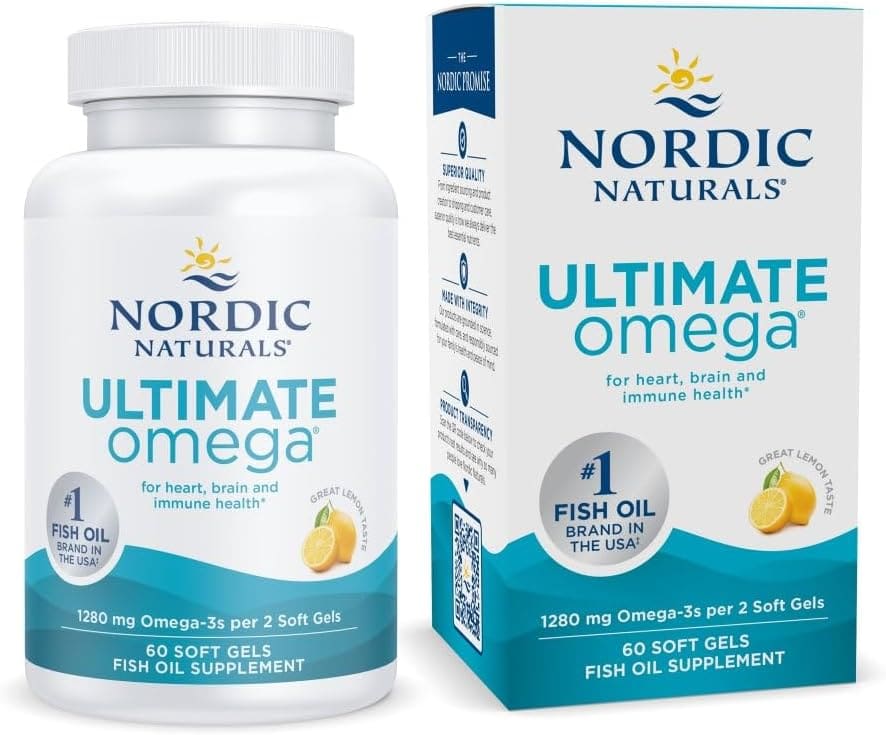
Achieve optimal health and radiant skin with melasma support from Nordic Naturals Ultimate Omega. These doctor-recommended supplements offer a high concentration of omega-3 fish oil in soft gel form, helping you meet the daily intake for heart health.