

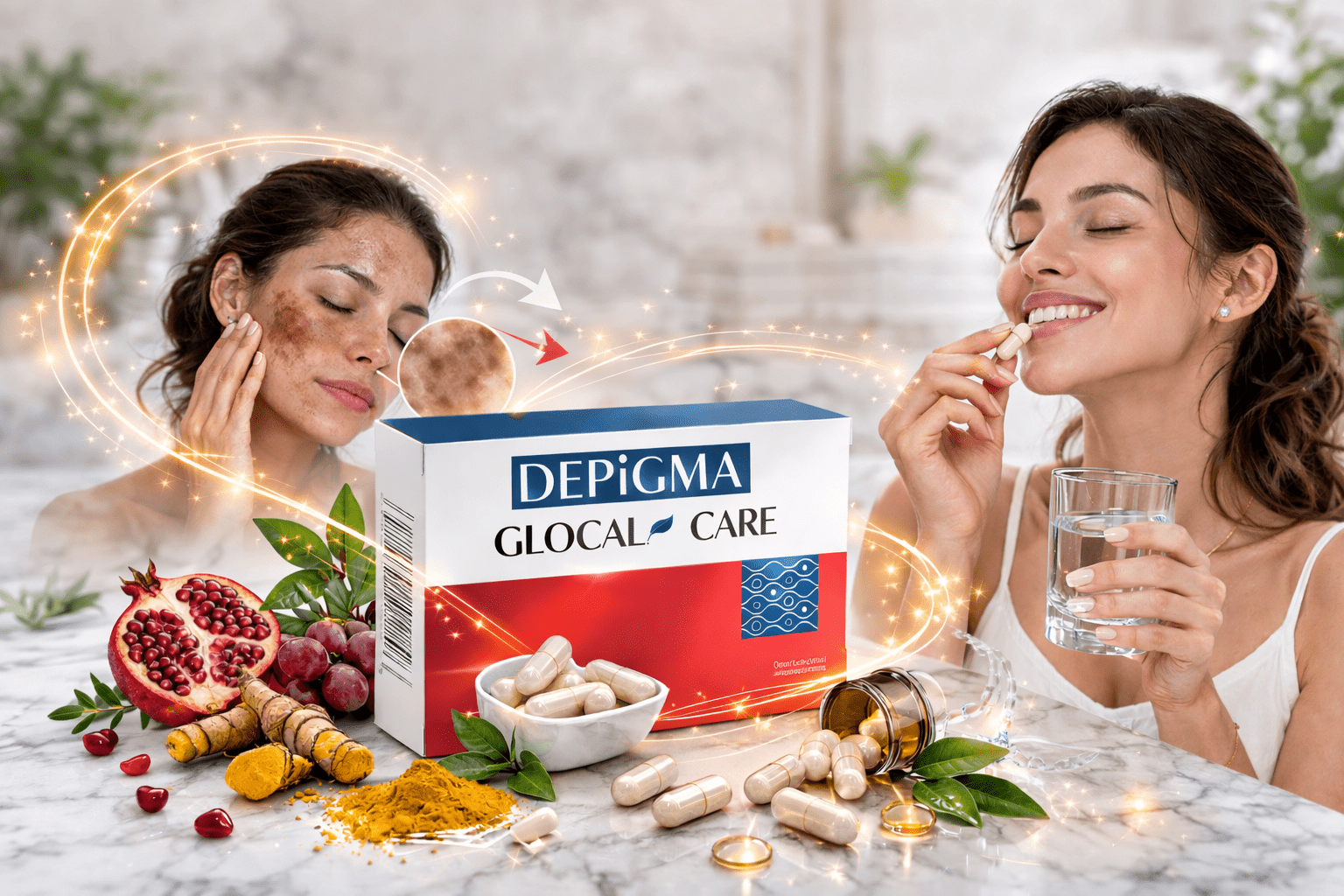
Antioxidants for Melasma: Do Supplements Help Fade Dark Patches?
Antioxidants for melasma are increasingly studied for their ability to support skin health from within. While no supplement can “cure” melasma, research suggests that certain antioxidants may help reduce oxidative stress, support collagen production, and improve uneven pigmentation.
Melasma is a complex skin condition influenced by sun exposure, hormones, inflammation, and genetic predisposition. Because oxidative stress plays a role in pigment production, supporting the body internally may complement topical treatments and sun protection.
What Are Free Radicals and Why Do They Affect Melasma?
Free radicals are unstable molecules produced naturally in the body. They also form after exposure to:
- UVA and UVB radiation
- High-energy visible (HEV) blue light
- Pollution and environmental toxins
- Smoking
- Chronic inflammation
When free radicals accumulate, they create oxidative stress, which damages healthy skin cells and stimulates excess melanin production. This process contributes to:
- Brown patches and uneven pigmentation
- Collagen breakdown
- Fine lines and wrinkles
- Inflammation
Oxidative stress is one of the internal factors that may worsen melasma.
How Antioxidants Support Skin Health
Antioxidants neutralize free radicals before they damage cells. When used consistently — alongside sunscreen and a proper skincare routine — antioxidants may:
- Support even skin tone
- Reduce inflammation
- Help repair UV-induced damage
- Support collagen production
- Promote overall skin resilience
Oral antioxidants work systemically, meaning they support the entire body, not just the skin. However, they should be viewed as supportive therapy, not a standalone treatment.
Do Supplements for Melasma Work?
Supplements for melasma may be helpful in certain individuals, especially when oxidative stress or inflammation contributes to pigmentation.
Clinical research shows that antioxidants such as vitamin C, glutathione, and polyphenols may improve hyperpigmentation when combined with topical treatment and strict sun protection.
Melasma tends to darken when internal inflammation and external triggers are not controlled. Supporting the body nutritionally may help optimize skin recovery.
Always consult a healthcare provider before starting any supplement, especially during pregnancy or if you have underlying medical conditions.
Best Antioxidants for Melasma Support
Here are antioxidants commonly discussed in dermatology research for pigmentation support:
1. Glutathione
A naturally occurring antioxidant produced in the body. It plays a role in reducing oxidative stress and may influence melanin production pathways.
2. Vitamin C
Supports collagen production and helps brighten skin tone. It also enhances the effectiveness of other antioxidants.
3. Resveratrol
A plant polyphenol known for calming inflammation and protecting against environmental stressors.
4. Licorice Root Extract
Contains glabridin, which may help reduce visible hyperpigmentation and soothe irritation.
5. Turmeric (Curcumin)
Provides anti-inflammatory support and may help calm pigment-triggering inflammation.
6. Pomegranate
Rich in polyphenols that support protection against UV-induced damage.
7. White Mulberry
May help reduce melanin production by influencing tyrosinase activity.
8. Bearberry (Arbutin Source)
A natural skin-brightening ingredient that supports a more uniform tone.
9. B-Complex Vitamins
Support cellular repair and reduce inflammation.
10. Berries (Anthocyanins)
Provide antioxidant protection that supports collagen and skin elasticity.
Glutathione and Melasma: What to Know
Glutathione is one of the body’s most important antioxidants. It is made from three amino acids and helps regulate oxidative stress throughout the body.
Some studies suggest that glutathione may influence melanin production by shifting pigment toward lighter pathways. However, results vary, and supplementation should be medically supervised.
It is not a guaranteed cure for melasma, but it may support a comprehensive treatment plan.
A Holistic Approach to Treating Melasma
For best results, combine internal and external strategies:
- Daily broad-spectrum sunscreen (SPF 30+)
- Topical antioxidants
- Gentle pigment inhibitors
- Heat avoidance when possible
- Balanced nutrition
- Stress management
Melasma often worsens with UV exposure and hormonal fluctuations. Supplements alone will not prevent recurrence without sun protection.
Final Thoughts: Are Antioxidants Worth Trying?
Antioxidants for melasma may help support skin repair, reduce oxidative stress, and complement topical treatments. While they do not cure melasma, they can be part of a well-rounded, dermatologist-guided plan.
Healthy skin starts internally and externally. Protect your skin daily, nourish your body wisely, and remain consistent with your routine.