

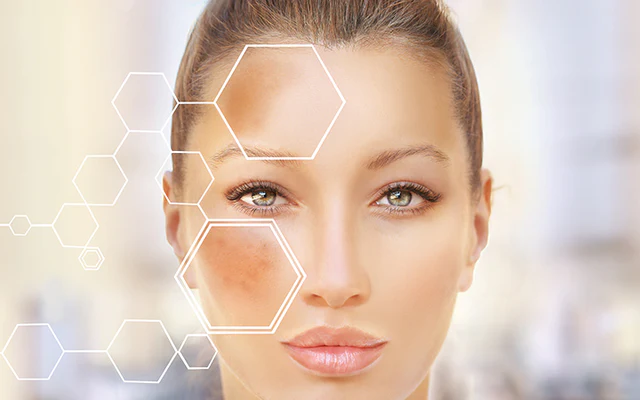
What Is Melasma On The Face
Melasma on the face is a common form of acquired hyperpigmentation characterized by symmetrical brown or gray-brown patches. It most often appears on the cheeks, forehead, nose, upper lip, and chin. Melasma is sometimes referred to as chloasma or the “mask of pregnancy” due to its strong hormonal associations.
Although melasma is not harmful, it can be persistent and challenging to manage. Understanding its causes, triggers, and treatment options is essential for reducing its appearance and preventing worsening over time.
What Is Melasma?
Melasma is a pigmentary disorder caused by overactive melanocytes, the cells responsible for producing melanin. When these cells are stimulated, excess pigment accumulates in the skin, leading to visible discoloration.
Melasma is typically classified by pattern and depth:
- Epidermal melasma (more responsive to treatment)
- Dermal melasma (deeper, more resistant)
- Mixed melasma
Facial melasma usually presents symmetrically and develops gradually rather than suddenly.
Who Is Most Affected by Facial Melasma?
Melasma affects people of all skin tones and ethnic backgrounds, though it is more common in individuals with medium to darker skin types. While women are affected more frequently, men can also develop melasma.
Common risk factors include:
- Pregnancy
- Use of hormonal birth control
- Hormone replacement therapy
- Family history of melasma
- Chronic sun or heat exposure
Causes and Triggers of Melasma on the Face
Melasma is multifactorial, meaning it develops due to a combination of internal and external factors.
Sun and UV Exposure
Ultraviolet (UVA and UVB) radiation is the most significant trigger. Even brief sun exposure can stimulate melanocytes and worsen existing pigmentation.
Hormonal Influences
Estrogen and progesterone fluctuations play a major role. This is why melasma commonly appears during pregnancy or while using hormonal contraceptives.
Heat and Inflammation
Heat exposure (including hot environments, saunas, or infrared light) can worsen melasma by increasing melanocyte activity.
Thyroid Dysfunction and Stress
Emerging research suggests a possible link between melasma, thyroid abnormalities, and chronic stress, emphasizing the importance of overall health management.
Can Melasma on the Face Fade Naturally?
In some cases, melasma may lighten over time, particularly when hormonal triggers resolve, such as after pregnancy. However, melasma is considered a chronic condition, meaning it often requires ongoing management rather than expecting permanent resolution.
Seasonal improvement may occur during cooler months, but recurrence is common without consistent protection and care.
Evidence-Based Treatment Options for Facial Melasma
Modern melasma management focuses on long-term control, skin barrier support, and trigger avoidance rather than aggressive correction.
Topical Treatments
- Prescription and non-prescription brightening agents
- Barrier-repair moisturizers
- Antioxidant-rich formulations
Professional Treatments
- Superficial chemical peels
- Dermatologist-guided procedures
- Combination therapy approaches
These treatments should always be approached cautiously, as overly aggressive interventions can worsen pigmentation.
Internal and Lifestyle Approaches to Melasma Management
Melasma management is not limited to topical care. Internal and lifestyle factors play a supportive role.
- Daily broad-spectrum sun protection
- Heat avoidance strategies
- Anti-inflammatory nutrition
- Stress management
- Consistent skincare routines
Supporting the skin from within may help reduce triggers that contribute to pigment overproduction.
Special Considerations: Melasma During Pregnancy
Melasma commonly develops during pregnancy due to hormonal changes. Treatment options during this time are limited, and focus is placed on:
- Strict sun protection
- Gentle skincare
- Avoiding aggressive treatments
In many cases, pigmentation may partially improve postpartum, though ongoing care is still important.
Common Facial Melasma Patterns
- Upper lip pigmentation (“melasma mustache”)
- Cheek-dominant melasma
- Forehead and jawline involvement
Understanding the distribution of patterns helps guide appropriate treatment planning.
Natural and Supportive Care for Melasma-Prone Skin
While no natural remedy can cure melasma, gentle and consistent approaches may support skin health:
- Skin-supportive nutrition
- Antioxidant intake
- Avoidance of known triggers
- Barrier-friendly skincare choices
Natural approaches work best when combined with medical guidance and sun protection.
Is Melasma Dangerous?
Melasma is not a medical threat. However, its visible nature can affect quality of life and self-confidence. Education, realistic expectations, and consistent management are key to maintaining healthy skin.
Our Educational Mission
This blog serves as a comprehensive resource for understanding facial melasma and related skin concerns, including:
- Brown spots and uneven skin tone
- Hormonal pigmentation
- Acne-related discoloration
- Anti-aging and skin barrier health
Our goal is to provide clear, evidence-based education so individuals can make informed decisions about their skin.
Managing Melasma Long-Term
Melasma is best approached as a condition that requires patience, consistency, and informed care. While it may not be fully eliminated, its appearance can often be improved with the right combination of protection, treatment, and lifestyle support.
By understanding the underlying causes of melasma on the face, you can take proactive steps toward healthier-looking, more balanced skin.