
Acupuncture For Melasma: A Natural and Holistic Treatment Approach
Acupuncture and Chinese Medicine are safe and effective methods to treat Melasma on your face.
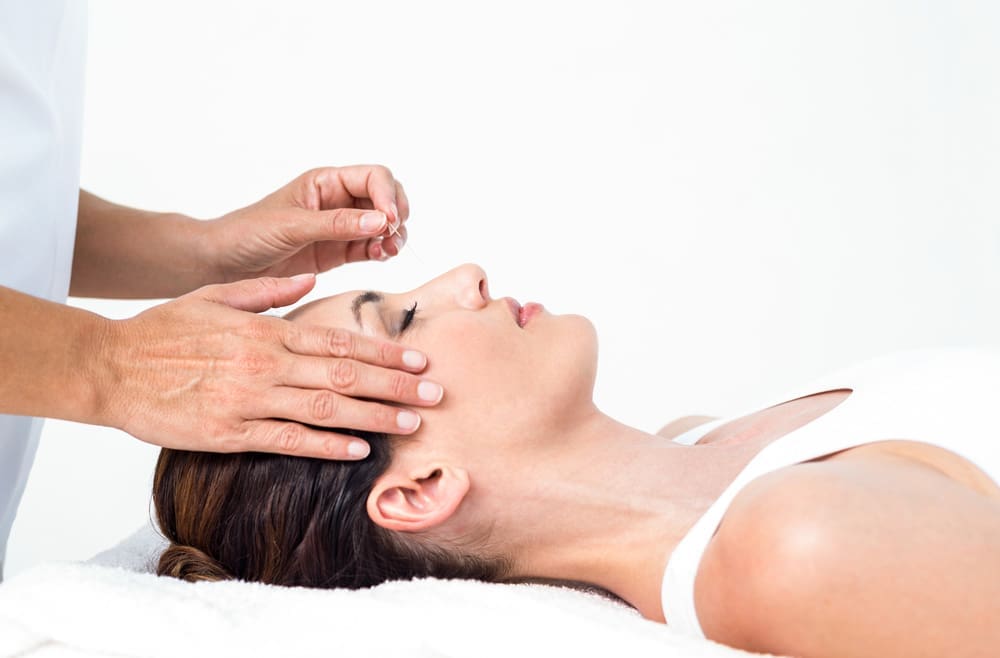
Acupuncture is a traditional healing practice that uses ultra-thin needles placed at specific points on the body. These points are gently stimulated by hand or low electrical current to activate the body’s natural healing mechanisms.
In Traditional Chinese Medicine (TCM), melasma is believed to result from poor circulation of energy (Qi) and blood. Acupuncture focuses on treating the root cause of melasma rather than merely lightening surface pigmentation by restoring balance, circulation, and lymphatic flow.
What Is Melasma and Why Does It Occur?
Melasma is a chronic skin condition that causes flat, brown or grayish patches, typically appearing on the cheeks, forehead, nose, upper lip, and under the eyes. It affects both men and women, though it is far more common in women.
Hormonal changes are one of the most common triggers. Melasma frequently develops during pregnancy, while taking birth control pills, or during hormone therapy. Increased levels of estrogen, progesterone, and melanocyte-stimulating hormones are believed to play a key role, especially in late pregnancy.
How Acupuncture Helps Treat Melasma Naturally
According to Chinese medicine, stagnant blood flow and energy can lead to pigment accumulation in the skin. Acupuncture works by improving circulation, supporting lymphatic drainage, and nourishing the skin from within.
By restoring healthy blood and energy movement, acupuncture may help regulate pigment production and promote skin renewal. It can be used alone or in combination with conventional melasma treatments for a more comprehensive, integrative approach.
Common Causes and Triggers of Melasma
Several internal and environmental factors are known to worsen melasma, including:
- Hormonal fluctuations and chronic stress
- Ultraviolet (UVA and UVB) sun exposure
- Infrared and HEV (blue) light
- Photosensitizing medications such as antiseizure drugs, NSAIDs, diuretics, and retinoids
- Genetic predisposition
Exposure to light from screens such as phones, tablets, and televisions may also contribute to melasma flare-ups. Using blue-light filters and sun protection products with iron oxide can help reduce pigmentation triggers.
Tanning beds are especially harmful and significantly increase the risk of worsening melasma and permanent skin damage.
Sun Protection Is Essential for Melasma Management
Consistent sun protection is one of the most important steps in controlling melasma. A broad-spectrum sunscreen with zinc oxide as the primary active ingredient is highly recommended.
An SPF of at least 30 should be used daily and reapplied every two hours when outdoors. Zinc oxide provides strong protection against UVA, UVB, and visible light, all of which can worsen melasma.
How Chinese Medicine Views Melasma and Skin Health
Traditional Chinese Medicine treats melasma as a sign of internal imbalance rather than a surface-level skin issue. Practitioners evaluate the entire body, including:
- Depth and darkness of pigmentation
- Location and duration of melasma
- Digestive health
- Sleep quality
- Stress levels
- Hormonal balance
Treatment plans are individualized based on these findings.
Common Internal Imbalances Linked to Melasma
In Chinese medicine, melasma may be associated with several internal patterns, including:
- Liver stagnation: Often linked with stress, emotional tension, and irregular menstrual cycles
- Digestive weakness: Poor digestion and fatigue may worsen pigmentation
- Kidney imbalance: Reduced detoxification can allow pigment and toxins to accumulate
Addressing these imbalances helps improve both skin tone and overall health.
Acupuncture Treatment Plan for Melasma
The most effective results typically come from combining body acupuncture and facial acupuncture. Body acupuncture treats the root imbalance, while facial acupuncture improves local circulation and pigment regulation.
Treatment often focuses on systems, including the liver, spleen, kidneys, and blood circulation. Weekly sessions are common, with visible improvement often seen within 5–10 treatments. Maintenance sessions may be continued for long-term support.
Acupuncture is considered safe when performed by a licensed practitioner, including during pregnancy. Side effects are rare and may include mild bruising. Most patients experience deep relaxation during treatment.
Chinese Herbal Medicine for Melasma Support
Chinese Herbal Medicine (CHM) uses customized formulas made of 7–15 herbs designed to correct the specific imbalance contributing to melasma. These herbs may support circulation, hormonal balance, detoxification, and skin nourishment.
Herbal formulas are most commonly taken as teas, though topical herbal creams, oils, or washes may also be recommended. Many herbs naturally contain antioxidants and nutrients beneficial for skin health.
What Research Says About Acupuncture for Melasma
Clinical studies and meta-analyses have shown that acupuncture can be effective for treating facial melasma. Research indicates higher improvement rates among patients who received acupuncture than among those who did not.
Some studies report noticeable improvement after as few as five treatments, with continued progress over time. Unlike conventional treatments that focus only on pigment suppression, acupuncture targets the underlying imbalance contributing to melasma.
Lifestyle and Diet Support for Melasma Healing
For best results, acupuncture and herbal medicine should be supported by healthy lifestyle habits. Eating a diet rich in whole, anti-inflammatory foods, exercising regularly, managing stress, and getting adequate sleep all play an important role in skin health.
Acupuncture often improves sleep quality and overall well-being, which further supports the body’s natural healing processes.
Final Thoughts on Acupuncture for Melasma
Acupuncture and Traditional Chinese Medicine offer a holistic, safe, and time-tested approach to melasma by addressing internal imbalances, improving circulation, and supporting long-term skin health.
Working with a licensed Chinese Medicine practitioner can help create a personalized treatment plan for optimal and lasting results.
National Certification Commission for Acupuncture and Oriental Medicine (NCCAOM)
Website: nccaom.org
The Complete Melasma Care Guide